
Is luck really a factor in casino success?
The Role of Luck in Casino Games
Luck is often viewed as a fundamental aspect of gambling, especially in casinos where games like slots, roulette, and blackjack dominate. The random outcomes of these games create an environment where players rely heavily on chance. For instance, when pulling a lever on a slot machine or waiting for the roulette ball to settle, players experience a sense of anticipation that is intimately tied to luck, making the appeal of an online casino even greater as they seek thrilling experiences. The very nature of these games implies that success hinges primarily on luck rather than skill.
However, while luck plays a critical role in immediate outcomes, it’s essential to differentiate between luck and long-term success in gambling. In games of pure chance, like slots, luck can make or break a player’s experience in a single session. But in other games, such as poker, where strategy and skill intersect with luck, the influence of luck diminishes over time. Successful poker players learn to manage their luck and apply their skills effectively, suggesting that while luck is a factor, it is not the sole determinant of success.
Moreover, the perception of luck varies widely among players. Some individuals believe that luck can be influenced through rituals or superstitions, while others view it as a random force. This belief in luck can significantly impact a player’s mindset and approach to gaming, which can lead to varying outcomes. Ultimately, while luck is an undeniable component of the casino experience, other factors such as skill, strategy, and emotional control play crucial roles in shaping a player’s overall success.
The Psychology of Gambling
The psychological aspects of gambling cannot be overlooked when discussing luck in casino success. The phenomenon of the ‘gambler’s fallacy’ illustrates how players can misinterpret luck and randomness. For example, some players may believe that after several losses, a win is due, leading them to increase their bets. This mindset can create a cycle of chasing losses, where the individual relies on luck to regain their losses rather than practicing sound financial and gaming strategies. Understanding these psychological traps is essential for anyone looking to succeed in a casino environment.
Additionally, a player’s emotional state can influence their perception of luck. Players who are experiencing high levels of stress or anxiety may not make the best decisions when it comes to managing their bets. The desire to win can cloud judgment, and in moments of heightened emotions, players may abandon strategies in favor of impulsive decisions. This heightened emotional state can amplify reliance on luck as an excuse for losses, further complicating the interplay between psychological factors and gaming outcomes.

Moreover, casinos are designed to maximize the thrill of luck and risk, appealing to players’ emotions. The flashing lights, enticing sounds, and celebratory atmosphere create an environment where players can easily become entranced by the prospect of winning. However, understanding the psychology behind gambling can empower players to approach games more rationally. By recognizing the influence of both luck and emotional state, players can better navigate their experiences, making informed choices that prioritize strategy over reliance on chance.
The House Edge and Its Implications
One of the most critical elements in discussing luck in casino success is the concept of the house edge. Every game in a casino is designed to give the house a statistical advantage over the players. This means that, over time, the house is expected to win more than the players. Understanding the house edge is essential for players to grasp the role of luck in their gambling ventures. For example, while a player might experience short-term luck, the longer they play, the more the odds favor the casino.
This statistical reality doesn’t negate the role of luck entirely; rather, it highlights the importance of approaching gambling with a strategic mindset. Players who are aware of the house edge in games like blackjack or poker can adjust their strategies accordingly, improving their long-term outcomes. For instance, in blackjack, employing strategies such as card counting can shift the odds in favor of the player, proving that skill can mitigate the house edge and enhance the chances of success.
Additionally, players should recognize that the house edge is a fundamental part of casino economics. It allows casinos to sustain their operations and continue offering games and services. This means that while luck can result in big wins, the reality of the house edge ensures that consistent success is unlikely without the incorporation of skill and strategy. Ultimately, players should be cautious of equating luck with guaranteed success, as understanding the mathematical realities of casino games is crucial for making informed decisions.
The Impact of Strategy on Casino Success
While luck is a popular notion in the context of casino games, the implementation of effective strategies often proves vital for achieving long-term success. In games such as poker and blackjack, where skill is paramount, a well-thought-out strategy can significantly enhance a player’s performance. For example, in poker, understanding odds, player psychology, and strategic bluffing can lead to better decisions, increasing the likelihood of success over time. Players who approach the game with a clear strategy are less reliant on luck and more focused on skill-based outcomes.
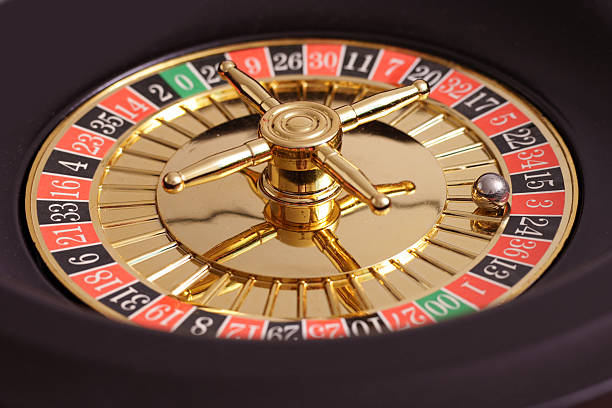
Furthermore, in table games, such as craps and baccarat, players can adopt betting strategies that may help manage losses and maximize wins. Implementing a disciplined approach to betting, such as the Martingale system or flat betting strategies, can offer a framework that steers decisions away from impulsivity. While these strategies do not eliminate the role of luck, they provide a structured way to navigate the unpredictability of casino games while potentially increasing the chances of coming out ahead in the long run.
In addition to gaming strategies, players should also consider bankroll management as part of their overall strategy. Establishing limits on how much to wager and how long to play lays the groundwork for a more sustainable gambling experience. Proper bankroll management can help players avoid the pitfalls of chasing losses and relying solely on luck for success. In essence, a blend of effective strategies and mindful financial practices can shape a player’s outcome more positively than luck alone.
About Our Website
Our website serves as a comprehensive resource for anyone interested in exploring the world of gambling and casinos. We aim to equip players with the knowledge and tools needed to make informed decisions while enjoying the thrill of the game. By providing insightful articles, expert advice, and strategies related to various casino games, we empower players to enhance their experiences.
In addition to educational resources, our website features a community forum where players can share their experiences and insights, fostering a supportive environment for all. We understand that success in casinos relies not just on luck, but also on knowledge, strategy, and responsible gaming practices. Join us as we delve into the intricacies of gambling, always striving to make informed players out of every visitor.
Whether you are a seasoned pro or a newcomer to the gaming world, our objective is to share valuable insights that highlight the balance between luck and skill. We believe that by understanding the dynamics of casino games, every player can approach their gaming experience with confidence and clarity, ultimately enhancing their chances of success along the way.