
Exploring the psychology of gambling in casinos
The allure of risk-taking
One of the central elements of gambling psychology is the thrill associated with risk-taking. For many individuals, stepping into a casino represents a departure from their everyday lives, offering an escape into a world where uncertainty reigns supreme. This allure is intricately tied to the human brain’s reward system, which releases dopamine in response to risk and potential gain. The adrenaline rush that comes with placing a bet and using betting apps triggers a pleasurable sensation, setting off a cycle that compels gamblers to chase that euphoric feeling repeatedly. This psychological mechanism is a key factor that keeps players returning to the gaming floor.
The excitement of possibly winning large sums of money encourages players to engage in riskier behavior. This phenomenon can be particularly pronounced in games of chance, such as slot machines or roulette, where outcomes are entirely random. The unpredictability can be enticing as individuals often feel that they can better their odds through strategic decisions, despite the reality that luck is the primary factor influencing these games. This psychological interaction between risk and reward makes gambling an engaging activity that many find hard to resist, as the potential for a life-changing win looms large in their minds.
Moreover, social factors enhance the appeal of risk-taking in gambling. People often gamble in groups, forming a community atmosphere that amplifies the experience. The social acceptance of gambling can lead to a sense of camaraderie and shared excitement, further deepening the emotional investment in the activity. As a result, risk-taking becomes not just a solitary endeavor but a shared experience that fosters deeper connections among players, enhancing the enjoyment of the gamble itself and creating an environment where thrill-seeking behavior is not only accepted but celebrated.
Illusion of control
The psychological concept known as the “illusion of control” plays a significant role in gambling behavior. Gamblers often believe they can influence the outcome of games through specific actions, such as strategic betting or employing rituals and superstitions. This belief is particularly prevalent in games that require skill, like poker or blackjack, where players may feel their decisions can directly impact the game’s result. However, this perception creates a false sense of security, leading individuals to gamble more than they typically would, as they mistakenly believe their skills can alter fate.
This illusion is reinforced by occasional wins, which can trick gamblers into thinking they possess control over their luck. For example, someone might play a game and experience a series of wins, prompting them to continue playing with the belief that they can maintain their winning streak. However, as the reality of the game’s randomness sets in, players may experience significant losses, leading to a cycle of chasing losses and further engaging in risky behavior to reclaim their perceived control over the situation. This psychological trap can be particularly dangerous, as it blurs the lines between skill and chance.
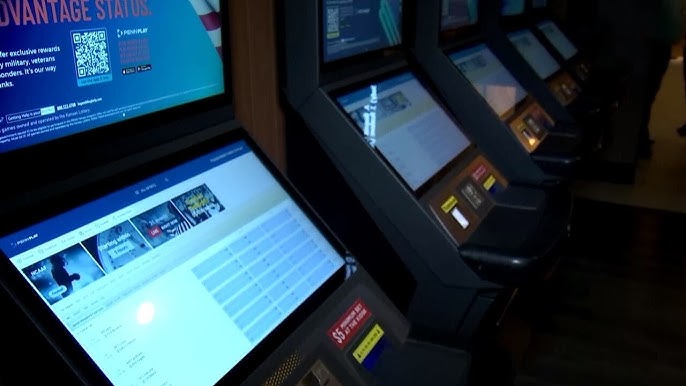
Furthermore, casinos are designed to exploit this psychological tendency. The architecture, lighting, and sounds of slot machines are all crafted to create an environment that encourages players to believe they can influence their outcomes. This manipulation plays a crucial role in making gambling an enticing activity, even as it distorts the understanding of chance and randomness. Players may become entangled in a web of misconceptions, leading them down a path of increased risk and potential financial distress, all while believing they are in control of their fate.
The role of cognitive biases
Cognitive biases significantly affect how individuals perceive gambling outcomes and make decisions while playing. One common bias is the “gambler’s fallacy,” where individuals believe that past outcomes can influence future results. For instance, a player might think that after several consecutive losses, a win is imminent, despite the fact that each spin of a slot machine is independent. This fallacy can lead to poor decision-making and exacerbate gambling behaviors, as players may continue to invest money into games in hopes of reversing their fortunes, unaware of the statistical realities at play.
Another powerful cognitive bias in gambling is the “availability heuristic,” where people evaluate the probability of events based on how easily they can recall similar instances. When players hear stories of big winners, they may overestimate their chances of winning themselves, spurring them to gamble more frequently. This can create a skewed perception of reality, as the rare instances of significant wins overshadow the numerous losses that most gamblers experience. This cognitive distortion can compel individuals to chase after unrealistic expectations, reinforcing their gambling habits.
In addition, confirmation bias plays a role when gamblers selectively focus on wins while downplaying losses. Players may remember their victories vividly while conveniently forgetting the losses they accrued. This selective memory reinforces their desire to continue gambling, believing that they are on the verge of another win. These cognitive biases not only distort their understanding of gambling outcomes but also contribute to the development of gambling addiction, as players become trapped in a loop of false beliefs and misjudgments that perpetuate their gaming behavior.
The emotional rollercoaster of gambling
The emotional experience of gambling can be likened to a rollercoaster ride, characterized by peaks of excitement and troughs of despair. Winning can elicit feelings of euphoria and accomplishment, as players feel validated in their choices and lucky outcomes. This emotional high serves as a powerful motivator to continue gambling, fostering a desire to replicate that joy. For some, these wins can temporarily relieve stress and provide an escape from life’s challenges, creating a cycle of seeking out that emotional high through repeated gambling experiences.

Conversely, the emotional lows that accompany losses can be devastating. Casinos thrive on the emotional responses of gamblers, designing their environments to amplify feelings of excitement and anticipation. However, the stark contrast between winning and losing can lead to despair, frustration, or anger, often causing individuals to engage in reckless behavior to regain their losses or recapture their earlier fortune. This emotional volatility is one of the primary factors contributing to gambling addiction, as individuals find themselves trapped in a cycle of highs and lows that further entrench their gambling habits.
Moreover, the social context of gambling can intensify emotional experiences. Players often share wins and losses with friends or fellow gamblers, which can magnify feelings of joy or disappointment. The camaraderie surrounding gambling can provide a buffer against negative emotions, yet it can also perpetuate poor decision-making as individuals seek social validation or encouragement to continue playing despite adverse outcomes. Understanding this emotional landscape is essential for addressing the psychological aspects of gambling and providing support for those who may struggle with addiction, as recognizing these patterns can be the first step toward recovery.
Understanding responsible gambling
Responsible gambling is a key concept aimed at mitigating the psychological impacts associated with gambling behavior. It encompasses a set of practices that encourage players to recognize their limits, make informed decisions, and engage in gambling as a form of entertainment rather than a means to escape problems. Education about the psychological aspects of gambling is essential for fostering a culture of responsible gaming, where individuals are aware of the risks and rewards and can navigate their experiences healthily and sustainably.
Creating a supportive environment for responsible gambling involves collaboration between casinos, regulatory bodies, and mental health organizations. This can include offering resources for players to self-assess their gambling habits, access to counseling services, and educational campaigns that promote awareness of gambling addiction. For instance, many casinos implement self-exclusion programs, allowing players to voluntarily restrict their access if they recognize harmful patterns in their gambling behavior. These initiatives can significantly mitigate the risks associated with gambling, fostering a more responsible gaming culture.
Furthermore, technology plays an increasingly important role in promoting responsible gambling. Digital platforms can offer players real-time monitoring of their spending and time spent gambling, enabling them to make more conscious decisions. By incorporating features that encourage responsible behavior, such as alerts for excessive play or spending, the gambling industry can work towards minimizing the psychological toll of gambling while still providing a thrilling experience for its patrons. This proactive approach not only enhances player safety but also contributes to a more sustainable gambling environment overall.